

As global export markets increasingly prioritize sustainability, carbon footprint has become a critical requirement for Vietnam's coffee industry. Measuring and disclosing emissions not only ensures regulatory compliance but also enhances product value and opens access to premium markets in Europe, the US, and Japan.
GDTS's solution is developed by a representative selected for the LIF Global 2026 program by the Royal Academy of Engineering (UK), affirming its international commercialization potential.
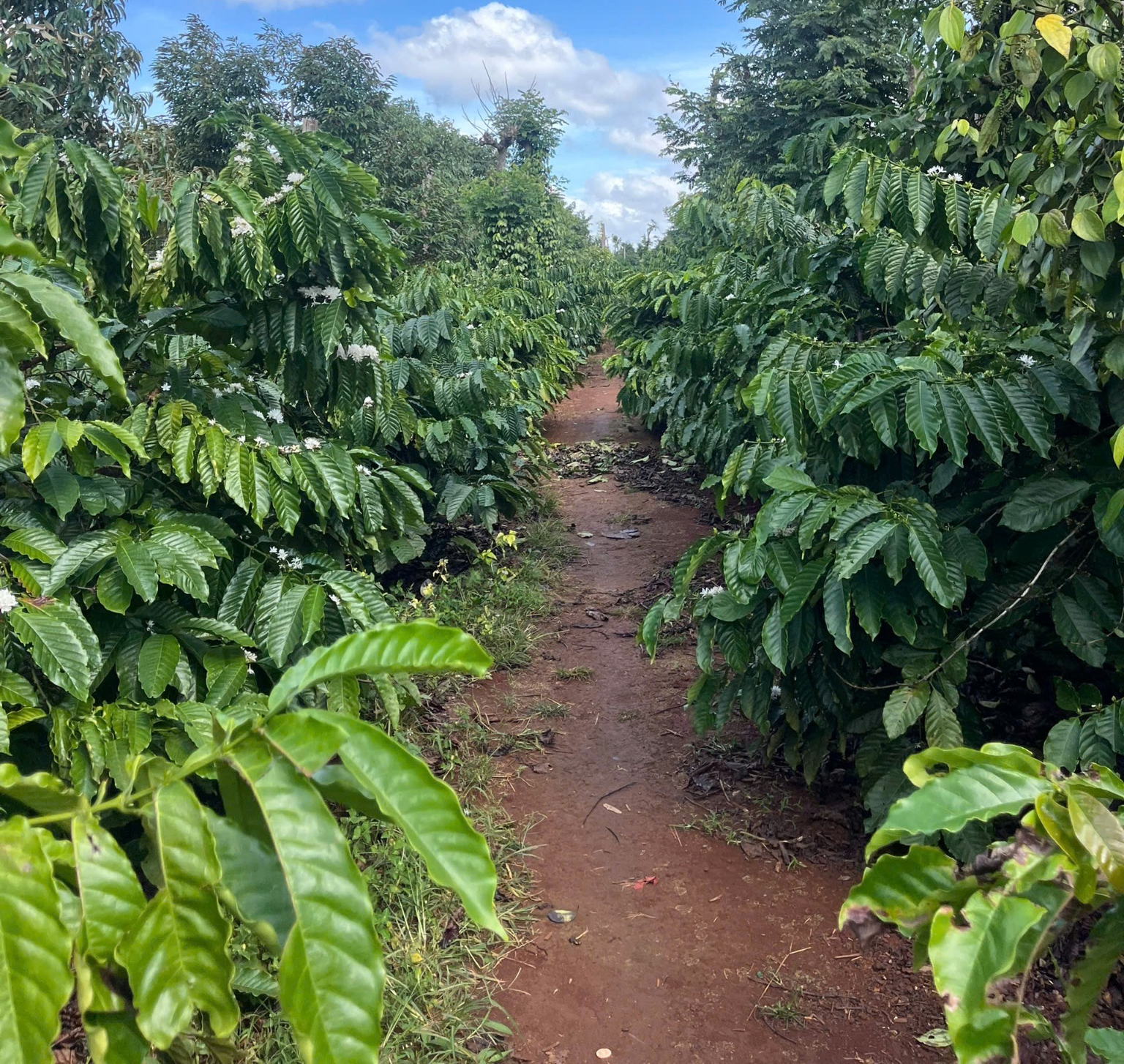
What is a Carbon Footprint and Why Does It Matter for Vietnamese Coffee?
A carbon footprint measures the total greenhouse gas emissions over a product's entire lifecycle — from cultivation and processing to transportation and consumption.
For Vietnamese coffee, this is no longer an abstract concept. Major markets such as the EU and North America increasingly favor products with transparent environmental data, especially as policies like the Carbon Border Adjustment Mechanism (CBAM) and ESG standards gain wider adoption.
Most emissions in the coffee supply chain originate from farming activities (fertilizers, irrigation), processing, and logistics. Yet measuring these factors requires standardized data and specialized tools — resources that many businesses currently lack.
Building a carbon measurement and labeling system for exported coffee not only ensures market compliance but also creates opportunities to join premium sustainable supply chains, where product value commands higher premiums.
Challenges in Implementing Coffee Carbon Labels
Despite growing demand for carbon-labeled coffee in export markets, implementation remains difficult — especially for small and medium enterprises:
- Lack of input data: Most farming areas are not digitized; cultivation records are fragmented, making emission data collection costly and inaccurate.
- Complexity of carbon footprint calculation: International methodologies such as IPCC and ISO require standardized processes and technical expertise beyond the capabilities of many businesses.
- Absence of a transparent traceability system: Without the right tools, emission data will not be accepted by international buyers and auditors.
- High consultation and certification costs: Currently prohibitive for widespread adoption by smaller producers.

The GDTS Carbon Labeling Solution
GDTS's solution focuses on data integration and transparency, streamlining the entire process from data collection to certification readiness. The system comprises four core modules:
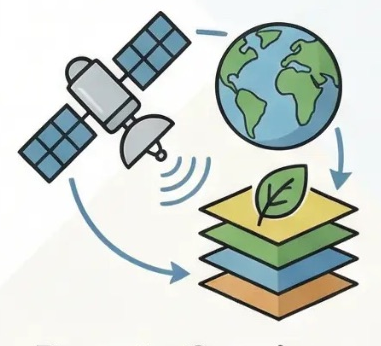
1. Farm Digitization (GIS)
- Map individual farms and production plots using GIS platforms
- Collect cultivation data: fertilizers, irrigation, energy consumption per batch
- Standardize input data to enable accurate emission calculations
2. Carbon Footprint Calculation
- Apply internationally recognized methodologies: IPCC, ISO 14064, ISO 14067
- Automate the calculation process to minimize manual error
- Deliver standardized results per production batch, audit-ready
3. Traceability & QR Code System
- Assign a unique QR code to each coffee batch
- Display full production information, farming practices, and emission levels
- Build trust and credibility with international buyers and importers
4. Certification Support & Carbon Credit Readiness
- Prepare complete data packages for third-party audit and certification
- Align with ESG, CBAM, and international market requirements
- Enable future expansion into carbon credit trading
Value for Businesses and the Coffee Supply Chain
The global coffee industry is rapidly shifting toward transparency and sustainability. Traceability and carbon labeling are now inseparable requirements for premium markets.
- For businesses: Strengthen competitive positioning, build a credible sustainability brand, and meet international carbon standards. Carbon-labeled products access premium market segments and command higher commercial value.
- For farmers: Improve production practices based on real data, reduce input costs, and increase income.
- For the supply chain: Greater transparency, efficiency, and trust from international partners across the entire value chain.
Businesses that lead in carbon data transparency will secure a durable competitive advantage in global sustainable supply chains.
Why Coffee Exporters Need Carbon Labels Now
- International markets (EU, US, Japan) require emission transparency under ESG and CBAM frameworks
- Buyers prioritize suppliers with clear, verifiable environmental data
- Carbon-labeled products command higher prices and easier access to premium buyers
- Early adopters will secure lasting advantages in sustainable supply chains
GDTS is committed to accompanying Vietnam's coffee industry in its transition toward a green, transparent, and sustainable future — ready to meet the increasingly demanding standards of global markets.
To learn more about our coffee carbon labeling solution, please contact us.