

The global coffee industry is rapidly shifting toward transparency and sustainability. Traceability and carbon labels are becoming two inseparable elements, especially for premium markets.
Buyers are not only interested in product quality but also want to know where the coffee was grown, how it was produced, and what its environmental emission levels are. This forces businesses to invest in data systems and technology.
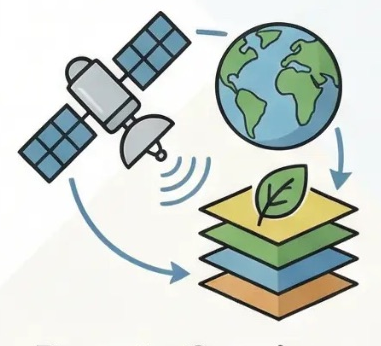
The combination of GIS (raw material area mapping) and QR traceability codes is proving to be an effective approach. Through this, each product batch can be linked to a complete dataset, from farming information to carbon footprint.
This trend not only helps businesses meet export standards but also creates clear competitive advantages in the long term. Businesses that are ahead in data transparency will have opportunities to access higher-value and more sustainable value chains.
Explore practical implementation and specific technology:
GDTS Coffee Carbon Labeling Solution